Precious metals like gold and silver are often passed down through generations in the form of jewelry, coins, flatware and more. At Garfield Refining, we often hear from clients who have inherited precious metals and aren’t sure what to do next. If you’re considering selling inherited gold, silver or other precious metal items, here’s everything you need to know.
Should You Sell Your Inherited Gold?
With precious metal prices near historic highs, now is a great time to sell. But if you’re unsure, there’s no need to rush. While gold, silver, and other precious metal prices fluctuate daily, they have historically held their value well over the long term.
First and foremost, consider the sentimental value of your inherited items. A custom piece of jewelry, family heirloom or rare keepsake may be worth more to you than the money you’d receive from selling it. Take the time to decide what feels right before making any decisions.
If you believe an item could be worth more than its precious metal content alone, it’s a good idea to have it evaluated by a reputable jeweler or antique appraiser before selling. Antique jewelry, designer pieces, collectible coins and other rare items can carry significant value beyond their scrap metal content.
Gold and Silver Coins and Bullion
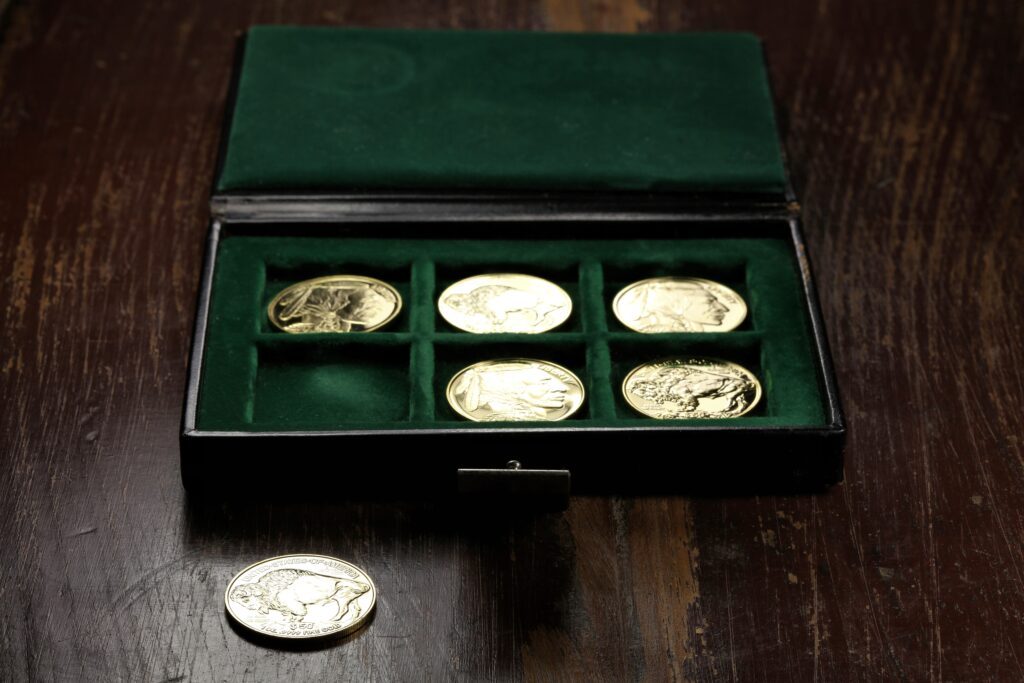
If you’ve inherited gold or silver coins, determining their value should be pretty simple. The first step is identifying exactly what you have. Some of the most common bullion coins include the American Eagle, Canadian Maple Leaf, and South African Krugerrand.
Once you know what you have, getting an estimate is easy. Just email Garfield clear photos of the front and back of your coins, and we’ll provide a no-obligation quote within minutes. If you’re happy with the estimate, you can ship us your coins using one of our free, fully-insured shipping labels for a final evaluation and payment.
Coin Valuation
The value of gold and silver coins depends on several factors, including rarity, condition, mintage and collector demand. For bullion coins, the current precious metals spot price plays a major role in determining value, while collectible coins may carry a premium based on their scarcity and historical significance.
Because precious metal prices change daily, it’s a good idea to check the current spot price of your metal before selling. You can always find live precious metal prices online or call Garfield to confirm.
*Pro Tip: If you notice any blemishes on your coin, resist the urge to try and clean it, as this can permanently damage the surface and reduce its value. When in doubt, leave the coin exactly as you found it.
Jewelry
When it comes to jewelry, determining its worth is more nuanced. Beyond the precious metal it contains, a piece may have artistic, historical or collectible value. Factors such as the designer, craftsmanship, rarity of the materials, and the quality of any gemstones can all influence what it’s worth.
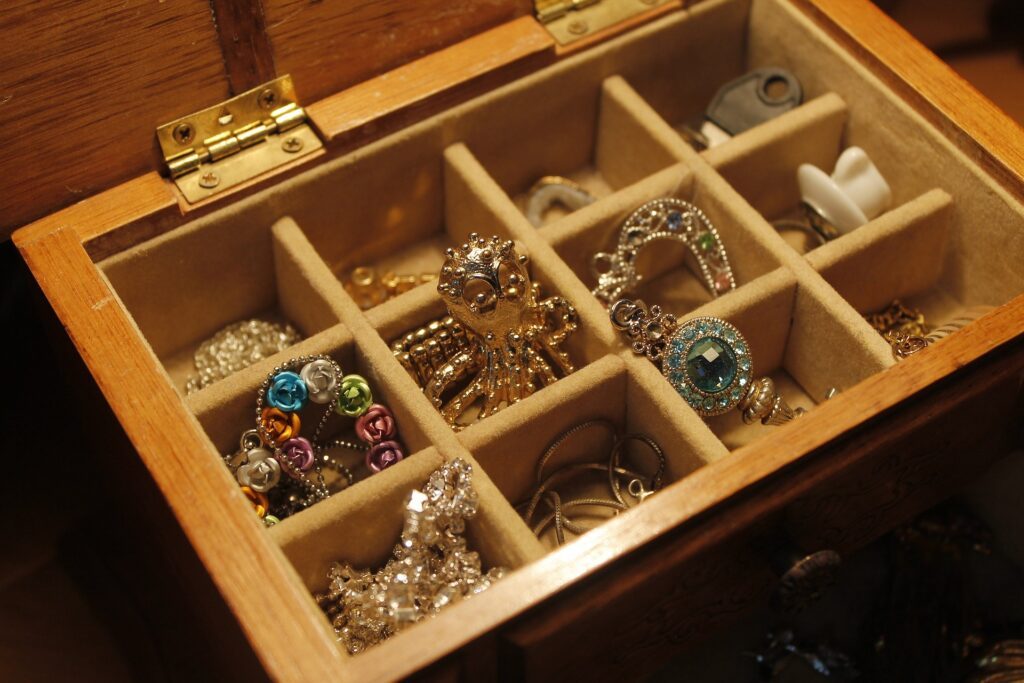
Determining the precious metal value of jewelry (also known as its scrap value) is more straightforward. Start by looking for karat stamps and production hallmarks. These markings can help identify whether a piece is solid gold, gold-filled or gold-plated and provide a general idea of its precious metal content.
However, the only way to determine exactly how much precious metal your jewelry contains is to have it melted and assayed by a precious metals refinery like Garfield.
Dental Gold
If you have dental gold on your hands, selling it to a refinery like Garfield will guarantee the highest payment. Unlike buyers who rely on estimates, refiners have the expertise and technology to determine exactly how much gold, silver, platinum, and/or palladium your dental material contains.
At Garfield, we melt your material and perform an assay (a procedure that precisely identifies its precious metal content). We test and refine everything on site, which helps us deliver accurate, transparent payments with some of the fastest turn-around times in the industry.
By comparison, most cash-for-gold stores, local gold buyers, and online gold-buying services don’t actually refine dental scrap. They typically use the “weigh-and-pay” method, placing your materials on a scale and quoting them at an extremely conservative estimate. This “on-the-spot” payment inevitably results in a lower payout – sometimes cents on the dollar!
Trading Your Items for Bullion
If you like the idea of investing in precious metals to diversify your wealth, you can always trade your scrap items – like jewelry, flatware, dental gold, and more – for bullion coins or bars.
Gold and silver bullion have held their value for centuries and are often viewed as inflation hedges. Most modern gold bullion coins and bars are .999 fine gold, meaning they’re made of nearly pure gold. As a result, their value closely tracks the current market price of gold. A one-ounce gold coin, for example, should be worth roughly the current market price of one troy ounce of gold, which moves daily based on the spot market.
Simplicity is Bliss
One of the biggest advantages of owning bullion is its simplicity. Instead of trying to determine the value of a collection of jewelry in different karat purities, you know exactly how much precious metal you own. Bullion is also highly liquid, meaning it’s easy to sell when the time is right. If gold prices surge and you decide to cash in, you can quickly sell your coins or bars without the added uncertainty of evaluating mixed scrap items.
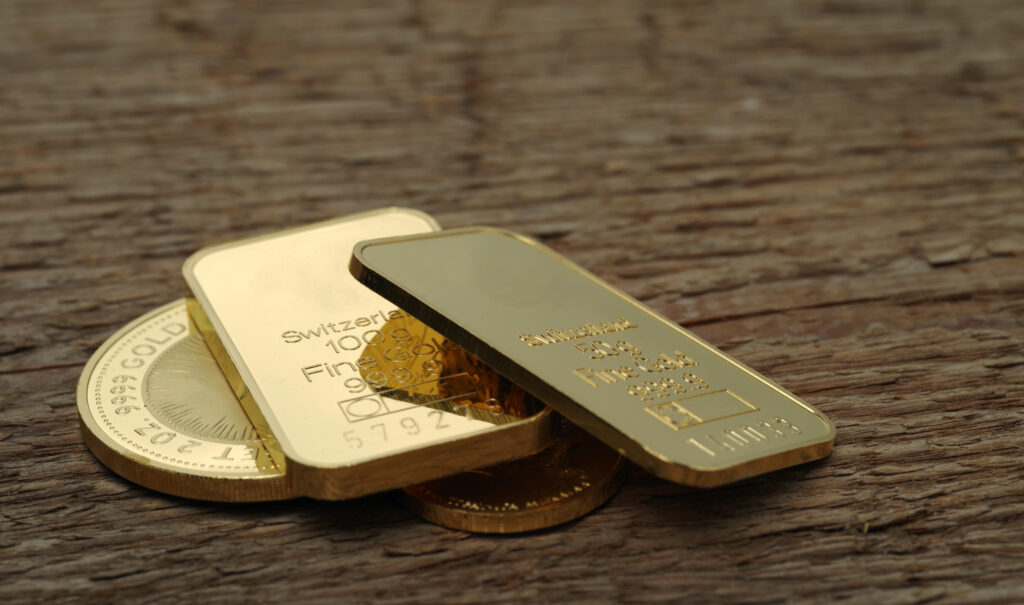
And not for nothing, some people buy bullion simply because they enjoy owning it. There’s something satisfying about holding a piece of pure precious metal in your hand!
When you refine with Garfield, you can exchange all or part of your scrap’s value for bullion instead of taking a cash payment. You can use a portion of your payout toward a bullion purchase, receive a combination of bullion and cash, or simply purchase bullion outright. We stock a wide selection of gold and silver bullion in various denominations to fit your investment goals.
Will I Be Taxed on My Inherited Gold?
Many people wonder if they’ll need to pay taxes on inherited gold, silver, platinum or palladium. In the United States, inherited assets, including precious metals, are generally not considered taxable income to the recipient. In some cases, an estate may be subject to federal estate tax before assets are distributed, depending on its value.
If you later decide to sell your inherited precious metals, different tax rules may apply to any proceeds from the sale. Because tax situations can vary, it’s always a good idea to consult a qualified tax professional for guidance based on your unique circumstances and current tax laws. If you plan to sell inherited precious metals, it’s also wise to hold onto any records about how and when you inherited them – this information may be helpful for your records or your tax advisor.
Your Metals, Your Choice
We understand that deciding what to do with inherited gold or other precious metals can be a complicated decision, with both emotional and practical factors at play. But no matter what you choose to do, kudos for taking the time to read up on your options. An informed decision is always a win. And if you ever have questions about your precious metal items, the metals market, the refining process, anything else related to precious metals, Garfield’s team of experts is just a phone call or email away.
Ready to sell your inherited gold or other precious metal scrap? Get started today with a free shipping label!
Questions? Give us a call at 800-523-0968 or email info@garfieldrefining.com.