
During the second quarter of 2026, Europe reached a new record for photovoltaic generation, producing 129 TWh of electricity, which is almost 20% more than in any previous second quarter. According to Montel’s Q2 European Electricity Market Summary report, the surge in solar generation is reshaping the role of flexible assets and exposing a widening gap between renewable generation and the power system’s ability to absorb it.
Driven by prolonged sunshine and persistent high-pressure systems, the increase in solar generation prompted many operators of flexible thermal power plants and battery energy storage systems to reduce their participation in day-ahead markets. Instead of bidding energy into these auctions, many reserved capacity for intraday, balancing and ancillary services markets, where they expect higher returns.
Montel says this trading strategy shifts more of the system balancing burden to short-term markets, increases intraday price volatility and raises the value of assets capable of responding quickly to grid requirements.
The second quarter highlighted both the benefits and challenges of a power system with high solar penetration. Record PV generation led to repeated curtailment during peak production hours, pushing wholesale electricity prices into negative territory across numerous European markets. Spain recorded the highest number of negative-price hours in Europe during the first half of 2026, with 596. Portugal followed with 462, while France recorded 370.
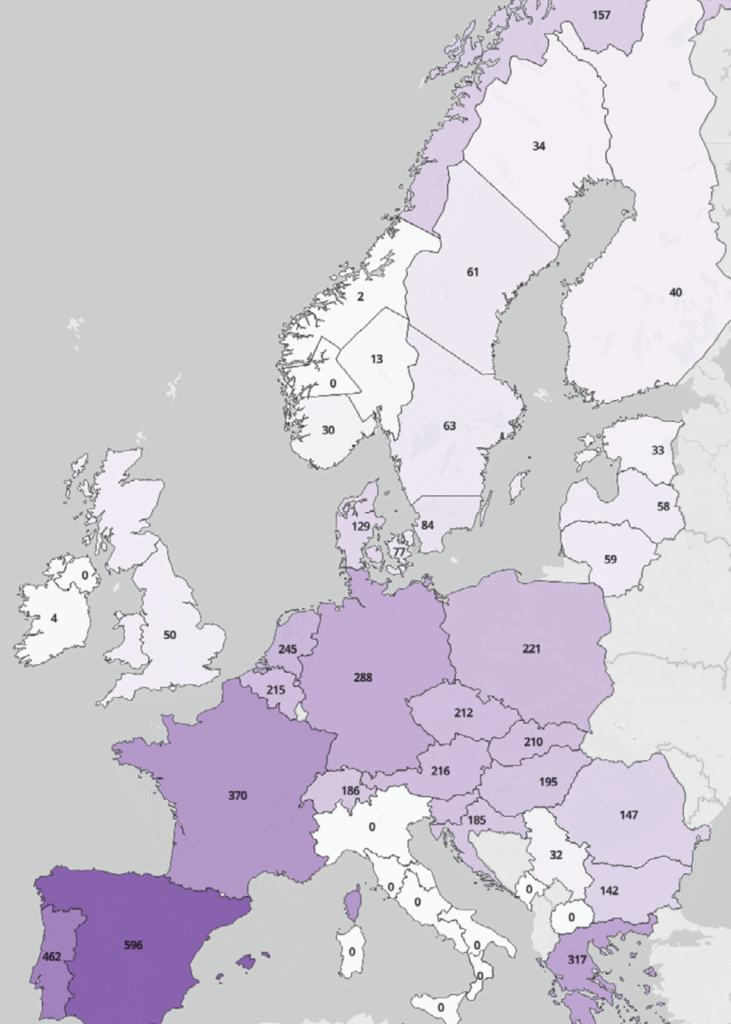
By the end of April, prices in parts of Europe approached the minimum technical price limit, prompting electricity exchanges to lower the price floor from -€500 (-$570.6)/MWh to -€600/MWh.
Weeks later, a June heat wave sharply increased cooling demand while simultaneously reducing output from solar thermal, conventional thermal and nuclear power plants. As a result, France and Spain repeatedly recorded daily and weekly electricity prices above €100/MWh, while afternoon prices in Germany exceeded €600/MWh, highlighting the growing mismatch between abundant midday solar generation and the sharp rise in demand after PV production declines.
Montel expects these trends to intensify during the third quarter. Weather forecasts indicate a high probability of additional heat waves across Western and Central Europe during July and August, combined with strong solar irradiation and weak wind conditions that are expected to keep PV generation above seasonal norms.
In Germany, Europe’s largest electricity market, solar generation could reach levels up to 20% above normal if June-like weather conditions persist. That scenario would likely result in more frequent periods of deeply negative midday prices followed by sharp evening price spikes as PV generation declines and dispatchable generation is required to meet cooling demand.
Montel also identifies several factors likely to shape European electricity markets during the third quarter. These include continued geopolitical uncertainty surrounding liquefied natural gas supplies and tensions in the Middle East, which are supporting gas prices and maintaining a relatively high floor for electricity prices during peak-demand periods.
The report also expects the selective withdrawal of flexible assets from day-ahead auctions to continue. As the risk of negative prices increases, operators of flexible power plants and battery storage systems are expected to prioritize revenues from intraday and balancing markets, reducing liquidity in the day-ahead market and amplifying price volatility.
Montel identifies Southeastern Europe as one of the regions most vulnerable to extreme heat events. In June, high temperatures forced Hungary’s Paks nuclear power plant to reduce output, demonstrating how quickly local supply constraints can translate into sharp price spikes. Southern European markets with high solar penetration and limited interconnection capacity are expected to experience the greatest volatility, while markets with greater hydropower resources, flexible gas-fired generation or stronger cross-border interconnections should prove more resilient, although they will not be immune to similar events.
The post Europe’s record solar output drives surge in negative electricity prices appeared first on pv magazine Global.